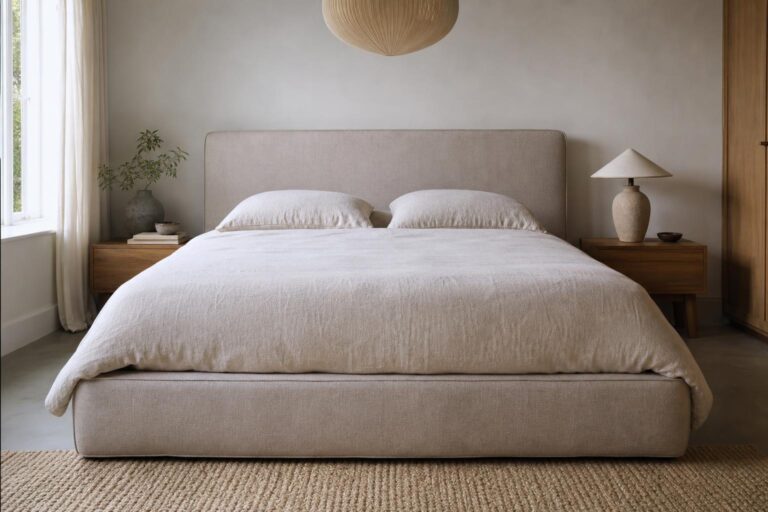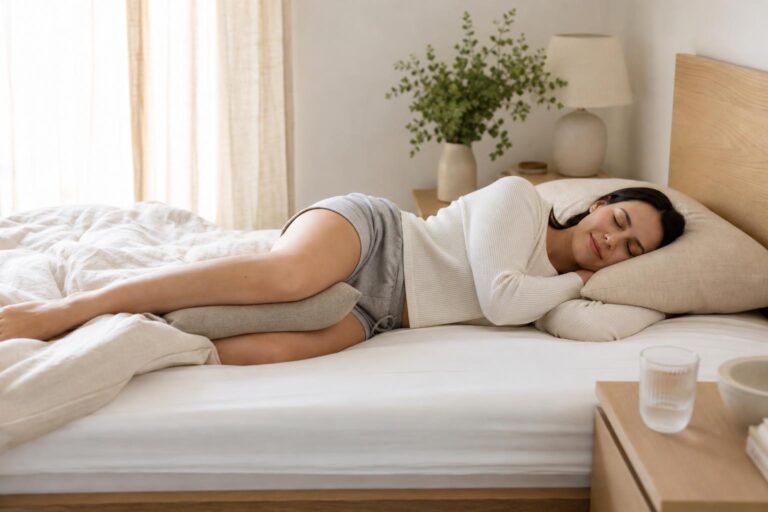
Latex Mattress For years, it has been considered one of the most resilient and durable choices for the bedroom. Made from natural or synthetic latex, it quickly regains its shape and provides even support for the body, which is why it’s a popular choice for people who experience back discomfort and those who toss and turn a lot while sleeping.
But is a latex mattress right for everyone? It has its advantages, but also its limitations, such as being heavier and more expensive than basic foam models. In this guide, we explain what it’s made of, who it’s best for, how to choose the right firmness, and what to look for when buying one, so you can make a fully informed decision.
Latex mattress—what is it made of?
The base consists of a layer of latex foam, which is made from foamed rubber milk. Natural latex comes from the sap of the rubber tree, while synthetic latex is produced through a chemical process. You’ll often find a blend of both types on the market. The core is usually perforated with holes that improve air circulation and allow for varying levels of firmness in different zones.
This type of latex mattress is often combined with other layers. There are several common constructions:
- Solid latex core - a uniform layer, very flexible and durable.
- Latex with a coconut fiber mat - Coconut increases hardness and promotes ventilation.
- Latex with highly elastic foam - usually a less expensive option that weighs less.
- Latex with pocket springs - combines the targeted support of springs with the softness of latex.
Pros—Is a latex mattress really worth considering?
Its greatest strength is point elasticity. Latex gives way only where you apply pressure, so your shoulders and hips sink in to the appropriate depth, while your lower back remains supported. As a result, a latex mattress helps maintain the spine’s natural curve and reduces pressure in any one spot. We discuss the importance of proper body alignment in our article on sleep ergonomics and a healthy spine.
Other benefits that users appreciate include:
- Durability - High-quality latex retains its elasticity for a long time before it needs to be replaced.
- Ventilation - The perforations and open structure wick away heat and moisture.
- Hygiene - Natural latex is considered a material that is not very susceptible to dust mites and mold.
- Easy to reposition - Latex doesn't hug the body as tightly as thermoelastic foam.
Drawbacks—What Should You Watch Out For When Choosing a Latex Mattress?
No model is perfect. A latex mattress is heavier than a foam mattress or many spring models, which makes it harder to flip and move, especially in sizes like 160×200 or 180×200. It also happens that a newly unpacked latex mattress has a faint, distinctive odor, which usually disappears after airing out the room.
It’s also important to keep the price in mind, since high-quality latex costs more than simple polyurethane foam. People who are allergic to natural latex proteins should consult a doctor before making a choice. While this allergy affects only a small number of people, it requires caution. Latex also does not tolerate prolonged exposure to high temperatures and sunlight, so it should not be dried in the sun.
Who is a latex mattress recommended for?
It’s best suited for people who prefer a springy but not hard surface. Latex mattresses are often chosen by people of average or above-average weight, couples with different needs, and those who tend to get too hot at night. The people who most often choose this type of mattress are:
- People with back problems - Point-of-contact support can relieve pressure on the lumbar region.
- Sleeping on one's side - The elastic layer conforms to the shoulders and hips.
- People with allergies - unless they are allergic to latex itself.
- Couples - The material limits the transfer of the partner's movement.
If you wake up in pain, also check to see if, Why does my back hurt after sleeping?, because the mattress itself isn't always the cause. A latex mattress is no substitute for consulting a doctor or physical therapist.
Firmness—Which Latex Mattress Should You Choose Based on Your Weight?
Choosing the right hardness is a matter of ergonomics, that is, how well the product fits the human body. Lighter people usually feel comfortable with an H2 firmness level, while heavier people—weighing over about 80 kg—more often choose H3 or H4. We’ve described this in detail in our article on this topic, What do the designations H2, H3, and H4 mean?, and in the guide How to Choose a Mattress Suitable for Your Weight.
A latex mattress is often reversible, meaning one side is firmer and the other is softer. This is a good option if you’re unsure which one to choose or if two people have different preferences. You might also want to consider a model with multiple comfort zones, which provides more precise support for your shoulders, waist, and hips.
Latex, foam, or springs—what can a latex mattress be compared to?
A latex mattress is best paired with other popular types. Compared to memory foam, it is more springy and usually cooler, while memory foam conforms more closely to the body but takes longer to return to its original shape. You can find more details in the articles about a thermoelastic mattress i foam mattress.
On the other hand, pocket spring mattress It has good air circulation thanks to the spaces between the springs, and in many models, latex serves as a comfortable layer on top of them. The choice comes down to whether you value softer flexibility or the ventilation provided by the spring construction.
Purchasing—What Should You Look for When Choosing a Latex Mattress?
When comparing offers, it’s worth checking a few details that actually affect comfort and durability:
- Latex Content - Ask what percentage of the core is made of natural latex.
- Density and Thickness - Higher density usually means greater durability, but also greater weight.
- Certificates - confirm that the materials are free of harmful substances.
- Cover - Removable and washable, making it easy to keep clean.
- Probationary Period - lets you see if the firmness is really right for you.
A well-chosen latex mattress should work well with the bed frame. Latex requires even and well-ventilated support, so before you buy, check to make sure the slats are spaced closely enough together.
Care—How Can You Make Sure It Lasts for Years?
To ensure your latex mattress retains its properties, air it out regularly, use a protective cover, and keep it dry. Do not fold it sharply or place heavy objects on it. Also, remember that after a few years, it’s a good idea to assess the condition of the mattress and your sleep comfort, as these factors determine when it’s time for a replacement.
FAQ - Frequently Asked Questions About Latex Mattresses
1. Is a latex mattress good for your spine?
It can be a good choice because it provides flexible support for the body and helps maintain the spine’s natural alignment. It’s crucial to choose the right firmness based on your weight and sleeping position. However, if you have chronic back pain, it’s a good idea to consult a doctor or physical therapist, since a mattress alone cannot cure medical conditions.
2. How long does a latex mattress last?
It depends on the quality, density, and how it is used. Good-quality latex typically retains its elasticity longer than cheaper foams—even for many years with proper care. The manufacturer usually provides an estimated lifespan, so it’s a good idea to check it before purchasing.
3. Is latex suitable for people with allergies?
Natural latex is considered a material that is not very susceptible to dust mites, so it is often recommended for people with dust allergies. The exception is people who are allergic to latex proteins, who should avoid it. If in doubt, consult an allergist and check whether the model in question has the appropriate certifications.
4. Does latex require a special frame?
A flat frame with closely spaced slats works best, as it provides ventilation from below. Slats that are too far apart can cause uneven weight distribution and lead to faster wear and tear. Before purchasing, measure the spacing between the slats and compare it to the mattress manufacturer’s recommendations.
Invest in sleep that truly rejuvenates you
A latex mattress is a great choice for people who value resilience, breathability, and durability. It isn’t the cheapest or the lightest option, but with the right firmness level, it can provide comfort for a long time. Before you decide, compare its features with other types and consider how you sleep on a daily basis.
If you're looking for a comfortable frame for your new mattress, check out DavhonMeble store and choose a bed that works well with it.