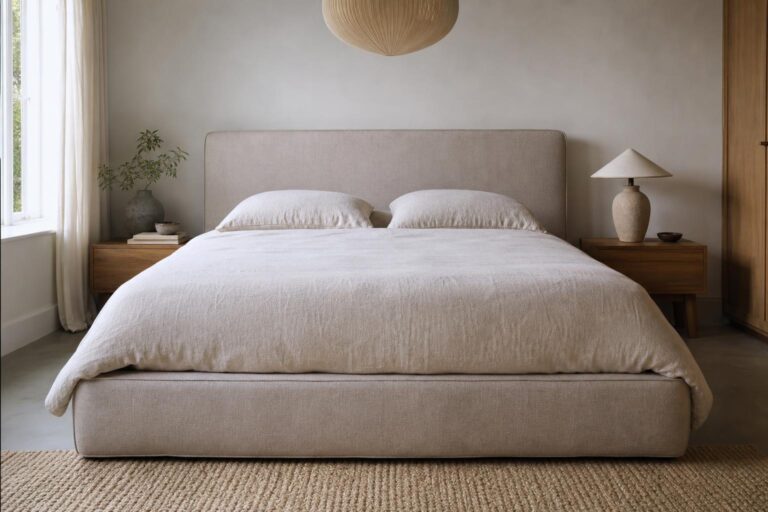
An upholstered bed is not only the centerpiece of any bedroom, but also an investment in sleep comfort and interior aesthetics. A well-chosen and well-maintained upholstered bed can serve for many years, maintaining an elegant appearance and functionality. However, in order to keep the piece of furniture in excellent condition, it is necessary to apply proper care and maintenance principles. Proper care of an upholstered bed not only prolongs its life, but also affects the hygiene of sleep and the comfort of daily use.
In this article, we present a detailed guide on how to care for an upholstered bed—from regularly cleaning the upholstery, to protecting it from damage, to caring for the mattress and bed frame. The article includes practical tips that will help you keep your bed in excellent condition for years to come.
Why is upholstered bed care so important?
An upholstered bed consists of several components that require proper care. These primarily include the upholstery, the frame, the bed frame and the mattress. Each of these elements is subject to natural wear and tear, so regular care is crucial.
Upholstery - Made of velour, braided fabric, eco-leather, or specialty fabrics, it requires cleaning and protection against dirt. Improper care can lead to color fading, scuffs, and permanent stains.
Bed frame and frame - Metal or wooden components should be inspected regularly to ensure stability and safety during use.
Mattress - Proper mattress care improves sleep comfort, prevents sagging, and extends the mattress's lifespan.
Without proper care, an upholstered bed can lose its aesthetics, functionality and comfort, which in the long run leads to the need to replace the furniture sooner.
Regular cleaning of upholstery
Vacuuming
A basic activity that should be performed weekly is vacuuming the upholstery. Vacuuming removes dust, hair, pollen and fine dirt that accumulates on the surface of the material.
It is best to use a vacuum cleaner with a soft nozzle designed for upholstery so as not to damage the fabric.
It is worth paying special attention to the headrest and hard-to-reach places, such as the gaps between the mattress and the sides of the bed.
Regular vacuuming reduces the growth of house dust mites, which are a common source of allergies.
Stain removal
Inevitably, small stains are caused by spilled drinks, cosmetics or contact with clothing. Quick reaction is key to prevent permanent staining:
For velour upholstery and natural fabrics, gently wipe the stain with a damp cloth and then dry with a dry cloth. Upholstery products designed for the type of fabric can be used.
Upholstery made of eco-leather or natural leather requires the use of a soft cloth moistened with water or a special leather cleaner. Avoid aggressive detergents that may damage the surface.
For greasy stains, it's a good idea to use powder or talcum powder to absorb the dirt, and then gently vacuum the surface.
Deep cleaning
It's a good idea to perform a thorough upholstery cleaning every few months:
For fabrics, you can use laundry vacuum cleaners or professional upholstery washers.
In the case of natural leather or eco-leather, it is a good idea to use conditioners that protect the material from cracking and tarnishing.
After cleaning, the upholstery should be thoroughly dried to avoid the formation of mold or deformation of the material.
Protection against damage and dirt
Avoiding direct sunlight
Prolonged exposure to the sun's rays can lead to fading of upholstery color, especially for velour or natural fabrics. To prevent this:
Place the bed in a place that is not directly exposed to the intense sun.
Blinds, curtains or sunscreen films work well in bedrooms.
Protection from animals and sharp objects
Domestic pets can contribute to abrasions or scratches on upholstery:
It is worth using protective bedspreads or covers to protect the furniture.
Do not leave sharp objects on the bed to avoid damaging the fabric.
If you have pets, it's a good idea to brush the upholstery regularly to remove hair and dust.
Regular ventilation
The upholstered bed should be aired regularly to:
Reduce moisture and mold formation,
Reduce the growth of house dust mites,
Keep upholstery fresh and pleasant smelling.
Airing can be combined with uncovering the mattress for a few hours a day, allowing moisture accumulated in the fabric and mattress to evaporate.
Mattress care
An upholstered bed is not complete without a mattress, which also requires proper care. Proper care of the mattress affects the comfort of sleep and extends the life of the bed:
Turning the mattress Every 2–3 months, this prevents deformation and uneven wear.
Airing the mattress after getting up every day allows moisture to evaporate and reduce the risk of mold.
Mattress protectors protect against dirt, allergens and dust, and make it easier to keep clean.
The mattress should be vacuumed regularly and, if necessary, spot cleaned with upholstery foam or specialized products designed for the type of mattress.
Maintenance of the bed frame and frame
An upholstered bed is not only the upholstery and mattress, but also the structure that provides stability and security:
Regularly check that all screws and connections are tightened.
For wooden beds, use wood care products to prevent cracking and drying.
Metal parts should be protected from moisture and possible corrosion, which prolongs the life of the rack.
With regular maintenance of the structure, the bed remains stable and secure, which directly affects the comfort of daily use.
Additional tips to make an upholstered bed last for years
Do not overload the bed—avoiding jumping on it and putting excessive weight on the mattress and box spring will extend the life of the bed.
Use the appropriate cleaning products—ones that are suitable for the type of upholstery—to avoid damaging the fabric.
Check the condition of your bed regularly—inspect the upholstery, frame, headboard, and structural joints.
Use seat covers and protectors—an extra layer of protection keeps the upholstery safe from stains and wear and tear.
Practice good sleep hygiene—changing your bedding daily and airing out your mattress keeps your bed fresh and minimizes the growth of bacteria and dust mites.
Summary
Upholstered bed is an investment in sleeping comfort and interior aesthetics, so its care is extremely important. Regular vacuuming, cleaning of stains, protection from the sun and animals, proper maintenance of the mattress and the bed frame and frame ensure that the furniture will remain functional and elegant for many years.
By following the above tips, you can keep the upholstery in excellent condition, protect the structure of the bed and prolong the life of the mattress. As a result, daily sleep becomes pleasant and restorative, and the upholstered bed retains an elegant appearance and durability, even with intensive use.
Taking care of an upholstered bed is not only a matter of aesthetics, but also of health and comfort, so it is worth following the rules of care and regularly checking the condition of the furniture. Caring for an upholstered bed is an investment that pays off with many years of comfort, convenience and a beautiful bedroom interior.