Even the most advanced models are subject to natural wear and tear over time due to the daily pressure exerted by the human body. One of the simplest—and yet most often overlooked—maintenance procedures is regular turning the mattress. Many people, after purchasing a mattress and placing it in the bed frame, forget about it for years, which drastically shortens the lifespan of the components and leads to the formation of indentations that are painful for the spine. Understanding the mechanics of material wear and tear allows you to preserve the orthopedic properties of the mattress for as long as possible, supporting the physiological processes of fascia and muscle regeneration.
Human physiology means that when we are at rest, we exert uneven pressure on specific points of the sleeping surface. The hip and shoulder areas bear the heaviest load, and it is there that the foam and springs work the hardest. When the mattress remains in the same position for months, the material undergoes what is known as “material fatigue.” Under these conditions, repositioning the mattress acts as a refreshing treatment, giving the compressed layers time to expand and regain their original elasticity. By adopting this simple habit, you protect your mattress from permanent deformation and your household budget from having to prematurely purchase new bedroom furniture. Conscious mattress care is the foundation of long-lasting comfort.
Czy obracanie materaca wydłuża jego żywotność - fakty i mechanika zużycia
The answer from experts in sleep biomechanics is unequivocal: regularly rotating a mattress extends its lifespan by as much as several dozen percent. Every type of polyurethane foam, latex, and pocket spring has a specific resistance to cyclic dynamic loads. If pressure is constantly applied to the same points, the microscopic foam cells rupture, resulting in visible sagging of the surface. When the core is rotated periodically, gravitational forces and pressure are distributed evenly across the entire surface of the core.
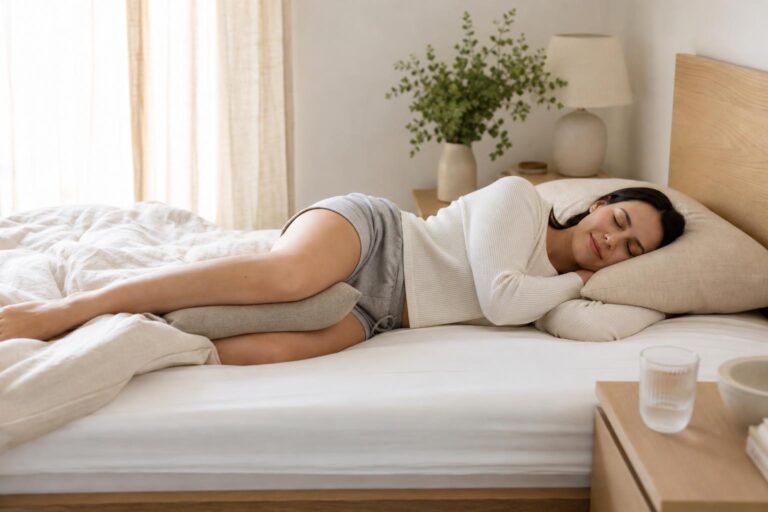
This phenomenon has a direct impact on the quality of nighttime recovery. Restful, deep, and uninterrupted sleep It requires stable support for the spine without the pelvis sinking. In worn-out furniture, the so-called “hammock effect” occurs, which forces the paraspinal muscles to remain constantly tense throughout the night. Therefore, regularly rotating the mattress is not only about ensuring the furniture’s longevity but, above all, about uncompromising care for the health of the musculoskeletal system. Proper care allows you to enjoy a resilient mattress for the full 8–10 years of its recommended service life, which is the maximum lifespan specified by leading manufacturers of bedroom furniture.
Dwie osie rotacji - jak prawidłowo obracać materac w sypialni?
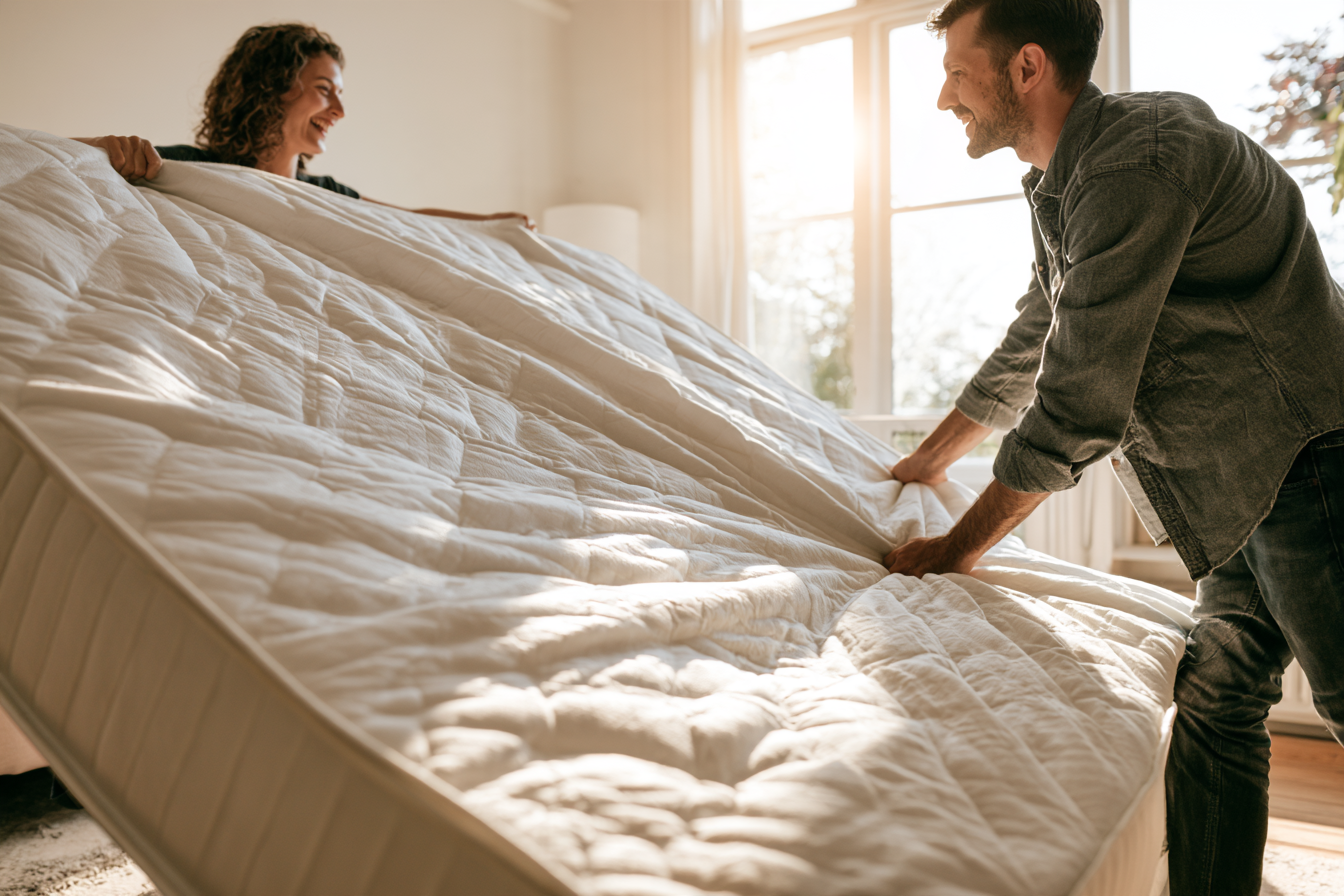
Many users wonder how to technically rotate a mattress to achieve optimal results. In the bedding industry, there are two basic axes of rotation that should be used alternately:
- Head-to-Feet Rotation (180 degrees on the horizontal axis) - polega na obróceniu wkładu tak, aby miejsce, na którym dotychczas spoczywała głowa, znalazło się w strefie stóp. Ten manewr odciąża strefę biodrową i jest możliwy do zastosowania w każdym typie wkładu, także w modelach jednostronnych.
- Up-Down Rotation (Vertical Axis, 180 Degrees) - polega na przewróceniu wkładu na drugą stronę użytkową. Taki manewr jest dedykowany wyłącznie modelom dwustronnym i pozwala na complete decommissioning of the area previously in use.
By rotating the mattress alternately along both axes, you provide the internal components with ideal conditions for self-regeneration. It’s a good idea to combine this process with thorough ventilation of the bedroom and careful vacuuming of the mattress cover to remove dust, dust mites, and dead skin cells, which maximizes the hygiene of your night’s rest and prevents the growth of microorganisms.
How often should you rotate your mattress at home?
Częstotliwość rotacji zależy przede wszystkim od wieku mebla oraz intensywności jego użytkowania. W przypadku nowo zakupionego posłania obracanie materaca powinno odbywać się częściej - najlepiej raz na 2-3 tygodnie przez pierwsze trzy miesiące. W tym początkowym okresie pianki adaptują się do kształtu ciała użytkownika, a częste zmiany pozycji gwarantują równomierne ułożenie się komponentów.
After the initial period, it is sufficient to rotate the mattress once every 3–4 months, for example, when the seasons change. If the mattress is used by heavier individuals or a couple with a significant weight difference, it’s a good idea to rotate the mattress every 8–10 weeks. Following this schedule effectively prevents the formation of asymmetrical indentations, ensuring the perfect balance of support throughout its entire service life and by protecting the edges of the insert from losing their original load-bearing capacity.
Twardość wkładu a odporność na odkształcenia - modele H2 i H3
Susceptibility to indentation is directly related to the density and load-bearing class of the components used. When selecting a mat based on your weight, it’s a good idea to review the technical specifications. Users weighing between 60 and 80 kg often choose H2 Medium-Soft Mattresses, which provide gentle support without putting excessive pressure on the joints. These designs are highly sensitive to point loads, which is why periodic rotation is particularly recommended.
For people weighing between 80 and 100 kg, the best choice is H3 medium-firm mattresses, characterized by higher foam density and increased resistance to pressure. The use of pocket springs with enhanced elasticity ensures stable support for the spine in any lying position. Regardless of firmness, regular care protects the structure from material fatigue. To learn more about the principles of healthy rest, check out the guide describing, jak się wyspać - 5 najważniejszych wskazówek, which will allow you to combine furniture care with healthy daily routines.
Format posłania - jak rozmiar mebla wpływa na łatwość rotacji?
The weight and dimensions of the cartridge directly affect the ease of performing beauty treatments. When looking at professional mattresses, it's worth noting the sturdy side handles sewn into the cover, which make it easier to maneuver:
- Mattresses 90×200 - lekkie wkłady jednoosobowe, w których zmianę ułożenia wkładu można bez problemu wykonać samodzielnie w kilka chwil.
- Mattresses 120×200 - powiększony wymiar pojedynczy typu „super single”, również łatwy w codziennej rotacji.
- Mattresses 140×200 - kompaktowy format małżeński o umiarkowanej wadze, umożliwiający sprawną rotację.
- Mattresses 160×200 - najpopularniejszy standard dwuosobowy, w którym obrót wkładu warto wykonywać we dwie osoby, aby nie uszkodzić uchwytów.
- Mattresses 180×200 - masywna, ekskluzywna płaszczyzna spania wymagająca asekuracji podczas przewracania na drugą stronę.
- Mattresses 200×200 - monumentalny format King Size, w którym regularne obracanie materaca zapobiega tworzeniu się zagłębienia w centralnej strefie posłania.
On large double beds, rotating the mattress is particularly important because people rarely lie exactly in the middle, which—without rotation—leads to an unsightly bulge between the partners’ sleeping areas.
Bed Design and Floor Ventilation
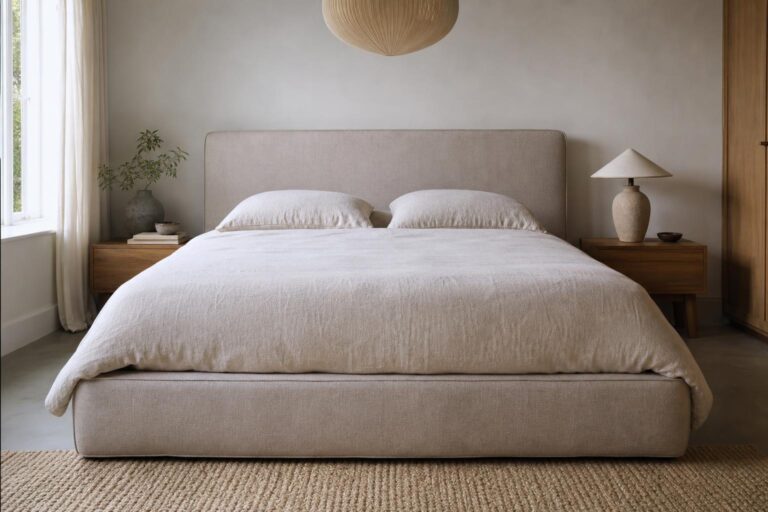
The frame on which the entire structure rests also affects the cartridge's lifespan. In modern interior designs, stylish ones work perfectly upholstered beds, which, thanks to their flexible frames made of bent slats, ensure uninterrupted air circulation from below. When you regularly rotate the mattress on such a bed, moisture does not accumulate inside the foam, which protects the bed from the growth of mold and dust mites.
In contrast, in large-scale settings such as luxury continental beds In a box spring, the lower box absorbs some of the kinetic energy. In this type of furniture, periodically airing out and rotating the topper and the base mattress creates double protective barrier, ensuring hotel-quality sleep for many years to come.
FAQ - Najważniejsze pytania o obracanie materaca
1. Can every type of mattress be flipped over?
Nie. Obracanie materaca na drugą stronę (góra-dół) jest dozwolone wyłącznie w modelach dwustronnych. Modele jednostronne posiadają na spodzie twardą piankę bazową lub warstwę antypoślizgową, a na wierzchu pianki komfortowe - w ich przypadku dozwolona jest wyłącznie rotacja głowa-nogi o 180 stopni.
2. Does flipping the mattress help remove dust mites and moisture?
Yes, regularly rotating the mattress exposes the underside, facilitating natural ventilation and the evaporation of moisture accumulated during sleep. In addition, rotating the mattress prevents dust mites from multiplying in warm areas, reduces the buildup of moisture from sweat, and keeps the core fresh. The even distribution of air among the fibers of the fabric creates an antifungal barrier, which is especially important in bedrooms with high humidity levels.
3. Can mattresses with firmness zones be flipped head-to-toe?
Zdecydowanie tak. Nowoczesne wkłady 7-strefowe posiadają symetryczny układ podparcia - strefa biodrowa znajduje się w centrum, a strefy barkowe, lędźwiowe i nóg rozchodzą się lustrzanie ku krańcom. Dzięki temu obracanie materaca o 180 stopni nie zaburza anatomii podparcia.
4. What are the side handles sewn into the cover for?
The handles are intended solely for positioning and moving the insert on the frame. When rotating a heavy mattress, do not pull solely on the handles with full force, as this may cause them to tear away from the cover fabric. It is best to grasp the mattress directly underneath the frame, which ensures full control and prevents damage to the seams.
5. What should you do if a permanent indentation has already formed in the mattress?
If the indentation is deeper than 2–3 centimeters and does not disappear when the pressure is relieved, this indicates permanent damage to the core. In this case, simply rotating the mattress will not restore its original springiness, and it will be necessary to replace the core with a new orthopedic model.
Podsumowanie - prosty nawyk, który chroni Twoje zdrowie i portfel
Taking regular care of your bedding is an investment that pays off every morning in the form of energy and relief from back pain. Although flipping the mattress takes only a few minutes once a quarter, its impact on the mattress’s longevity cannot be overstated. Here’s Three Key Reasons to Rotate Your Mattress:
- Even wear on components - zapobieganie powstawaniu zapadlisk w strefie bioder i barków.
- Orthopedic Spinal Support - utrzymanie stałej sprężystości punktowej wkładu przez wiele lat.
- Improved hygiene and ventilation - skuteczne odparowywanie wilgoci oraz ochrona przed rozwojem alergenów.
By remembering to rotate your bedding regularly, you can be sure that your bed will remain a stable, safe, and hygienic sanctuary, guaranteeing a healthy and restful sleep every day. A well-maintained bedroom is the best guarantee of daily vitality and well-being.